The U.S. Senate advanced the Bipartisan American Affordability and Jobs Act (BAAJA) on Monday, a bipartisan measure designed to streamline the construction of new energy infrastructure. While labor leaders and clean energy advocates support the bill for its potential to create jobs and accelerate wind and solar development, a coalition of environmental groups has raised severe objections.
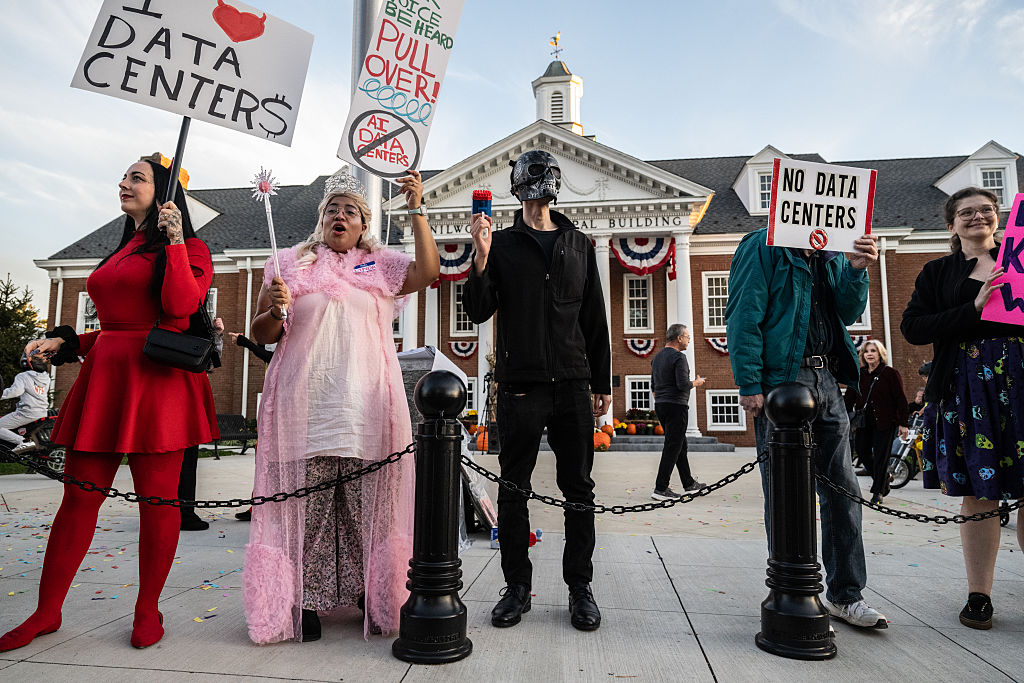
Critics, including the Sierra Club and the Natural Resources Defense Council, argue that the legislation functions as a “massive giveaway” to the artificial intelligence industry. They contend that the bill strips back environmental protections, facilitating the rapid construction of gas-powered data centers on public lands. Allie Rosenbluth, campaigns manager at Oil Change International, stated that the bill contradicts the sentiments of voters who supported candidates opposing data centers during the recent midterm elections.
The rapid expansion of the data center sector has driven a significant increase in natural gas infrastructure. Data from Global Energy Monitor indicates that U.S. gas projects powering data centers grew from approximately 4 gigawatts in early 2024 to 189 gigawatts in development by mid-2026. Researchers assert that these facilities have worsened local pollution and exacerbated health conditions such as asthma. Advocates for the bill counter that it includes ratepayer protections, requiring developers to cover the costs of transmission upgrades, with one study estimating that data centers will pay roughly $55 billion in transmission charges over the next decade.
Concerns have also emerged regarding the use of federal and tribal lands. Following a July 2025 executive order directing the Interior and Energy departments to streamline environmental reviews for data centers on federal sites, at least 17 active applications for data center campuses on public land in states like Arizona, Idaho, and Nevada are currently pending. A coalition of Tribal leaders issued a statement warning that the bill would undermine their ability to protect historic and cultural sites from federally connected projects.
Senate sponsors, including Democratic Senator Sheldon Whitehouse, argue that the legislation will end “freeloading” by data centers on household utility bills and lay the groundwork for more comprehensive clean energy policies in the coming year. President Donald Trump urged Senate passage on Sunday, asserting that “China will take any Data Center that we don’t want.” The bill must now pass the House in identical form to be sent to the White House, with some critics urging Democrats to delay action until the newly elected House convenes.



Streamlining environmental reviews just so corporations can build faster is a dangerous precedent for public lands.
The $55 billion transmission fee sounds great, but will it ever trickle down to actual household bill reductions?
China is definitely building these faster, so our national security argument for rapid deployment actually makes some sense.
I appreciate the tribal warning. We need better consultation processes before authorizing any new federal land usage.
Calling it an affordability act is funny when big tech is using it to avoid paying full costs.
Does anyone know if there’s an exemption for residential solar projects under the new environmental review rules?
They always say it’s temporary, but the infrastructure never goes away once these concrete foundations are set.
Building massive gas plants next to sensitive tribal lands feels like a serious moral and cultural violation.
I just need cheaper electricity. If the bill means lower rates for my family, I can live with it.
The jump from four to one hundred eighty-nine gigawatts is honestly terrifying for our local air quality.