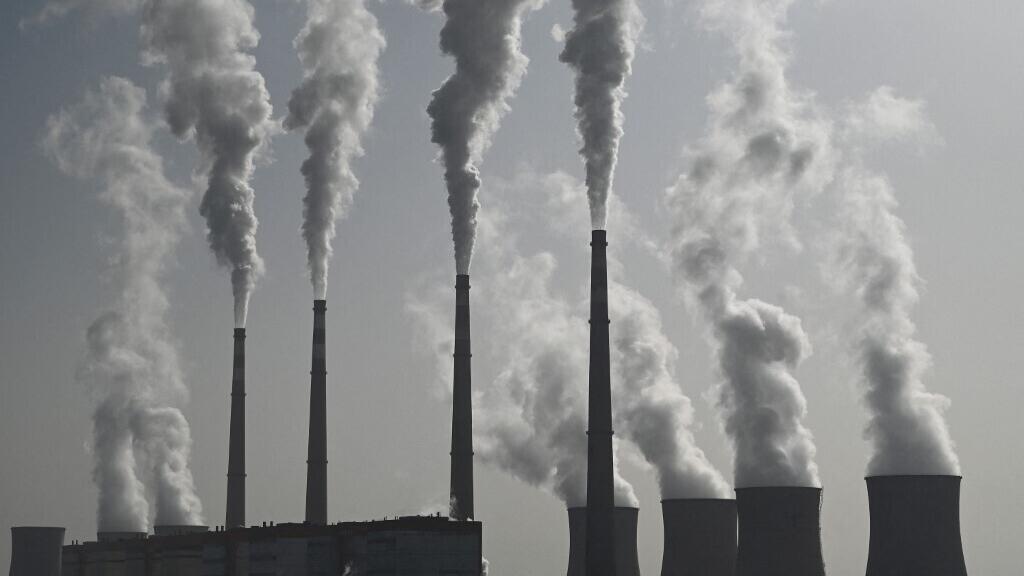
Global emissions from fossil fuels are expected to decrease slightly in 2026, marking the first annual decline since the pandemic-era drop of 2020, according to new research released as nations convened for the COP31 climate summit in Antalya, Turkey. The study attributes this projected 0.4 percent reduction to the rapid expansion of renewable energy sources and the economic shock caused by the US-led war in Iran, which led to soaring crude oil prices and a subsequent drop in consumption due to the closure of the Strait of Hormuz.
The Global Carbon Budget report notes that fossil fuel emissions, which have risen by an average of 0.9 percent per year over the last decade and hit a record high in 2025, will be the first to reverse this trend. Solar power, wind energy, and electric vehicles accounted for two-thirds of the increase in global energy demand this year. Pierre Friedlingstein, director of the Global Carbon Budget Office at the University of Exeter, cautioned that while the decline is positive, reductions driven by geopolitical instability are not a long-term solution. He emphasized that the sustainable path forward remains the swift deployment of clean energy technologies.
Corinne Le Quere, a climate science professor at the University of East Anglia, warned that a rebound in emissions is likely once oil tensions subside, similar to the recovery seen after the global financial crisis. While oil-related emissions are projected to fall by 1.9 percent, gas emissions are expected to decrease by 0.3 percent, and coal emissions may rise by 0.6 percent. Overall, fossil carbon dioxide emissions are estimated to reach 38.2 billion tonnes in 2026. Including land-use changes such as deforestation, total CO2 emissions are projected to rise to 43.3 billion tonnes, an increase from 42.8 billion tonnes the previous year, driven in part by peat fires and forest degradation in Southeast Asia linked to strong El Nino conditions.
The report highlights that the world’s remaining carbon budget for limiting global warming to 1.5 degrees Celsius above pre-industrial levels stands at 150 billion tonnes. At current emission rates, this budget will be exhausted in less than four years. Although the United Nations announced in September that the 1.5-degree target would be missed in the coming years, scientists stress the urgency of reducing fossil fuel emissions to minimize the period of overshoot and facilitate a rapid decline in global temperatures.



We will miss the 1.5 degree target anyway, so what is the point of worrying about this tiny decline?
Solar and wind accounting for two-thirds of new demand is wild. The infrastructure race is truly winning now.
Closing the Strait of Hormuz to save the planet is an absurd way to phrase it. War is never a solution.
History shows emissions always bounce back after crises. Le Quere is right to warn about this inevitable rebound soon.
Finally some good news, even if it is slightly misleading. The renewable growth portion is genuinely impressive and promising.
Coal emissions rising while gas falls? Interesting shift. The Southeast Asia peat fires also add a massive layer of complexity.
Fifteen billion tonnes remaining means we have four years left. That is terrifyingly short. What do we actually do now?
It is concerning that geopolitical conflict drives these numbers. We need sustainable reduction, not just war-induced price shocks.