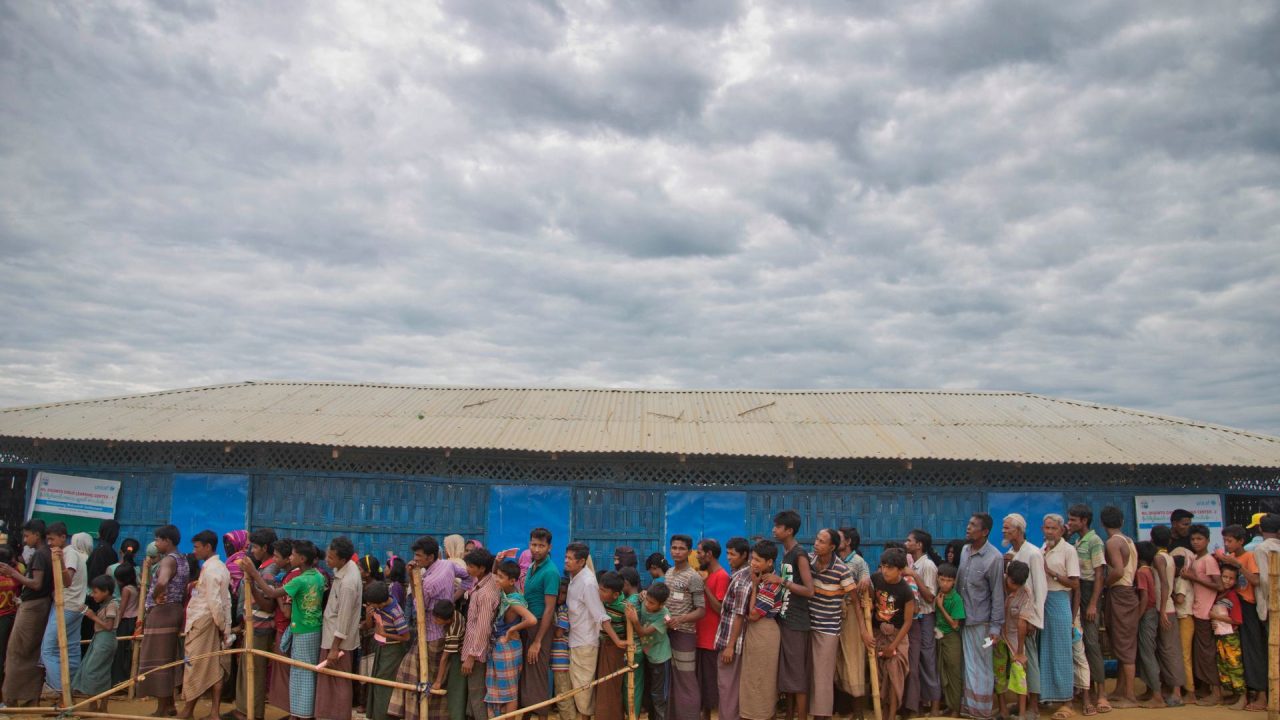
The International Court of Justice (ICJ) in The Hague is scheduled to announce its verdict on Thursday, November 19, in a high-profile case filed by The Gambia. The lawsuit accuses Myanmar of committing genocide against the Rohingya ethnic minority. This ruling will be final and non-appealable, marking the conclusion of proceedings initiated seven years ago with the support of the Organisation of Islamic Cooperation (OIC). The case stems from the 2017 military crackdown in Myanmar’s Rakhine State, which displaced more than 740,000 Rohingya people to neighboring Bangladesh.
The Rohingya are a predominantly Muslim minority who have historically resided in western Myanmar. Successive governments, ranging from the military junta under General Ne Win to the civilian administration of Aung San Suu Kyi, classified them as illegal immigrants from Bangladesh. The 1982 citizenship law further left most of the group stateless. The crisis escalated in August 2017 when the military launched “clearance operations” in response to attacks by the Arakan Rohingya Salvation Army (ARSA), resulting in documented massacres, sexual violence, and the destruction of villages.
The Gambia’s case focuses on three main areas: actions, intent, and remedies. The country alleges that Myanmar’s military inflicted physical and mental harm, imposed conditions designed to destroy the group, and utilized widespread sexual violence. The central legal question is whether Myanmar demonstrated the specific intent to destroy the Rohingya as a group, which is necessary to prove genocide. Myanmar has denied these charges, stating its operations were legitimate responses to armed attacks by ARSA fighters. The Gambia also demands that Myanmar prosecute responsible parties, ensure safe repatriation, restore property, and provide compensation.
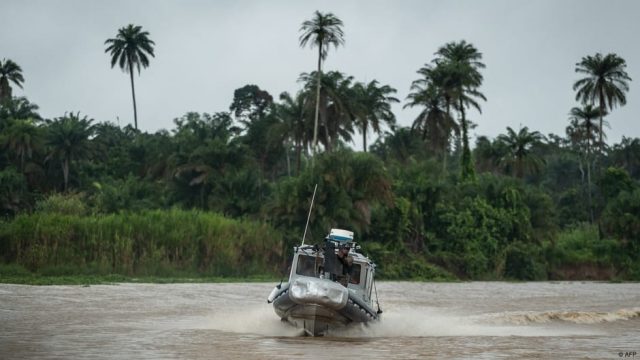
Currently, approximately 520,000 Rohingya remain in Myanmar, facing worsening conditions since the 2021 military coup. The Arakan Army now controls much of Rakhine State, and reports indicate arbitrary killings and forced conscription. Meanwhile, roughly 1.2 million Rohingya live in refugee camps in Cox’s Bazar, Bangladesh. Access to aid in these camps has been severely reduced following cuts in international funding, including measures taken by the US administration under President Donald Trump, which has heightened risks of trafficking and exploitation for refugees. Additionally, thousands of Rohingya continue to attempt dangerous sea routes to Malaysia and Indonesia; UNHCR estimates that 3,135 people have died or gone missing at sea since 2022, with 2025 recorded as the deadliest year.
If the ICJ finds Myanmar guilty, the state will be legally bound to comply with the court’s orders, though the court lacks direct enforcement power. The Gambia could petition the UN Security Council to enforce the ruling, although this is unlikely due to the potential veto power held by permanent members such as China and Russia. The outcome of this case is being closely monitored by the international community, as it may set a precedent for other ongoing genocide cases before the court, including South Africa’s case against Israel regarding the war in Gaza.

It is heartbreaking that so many are still dying at sea while waiting for this verdict.
Will this really set a precedent for Gaza? I am skeptical about how these cases play out.
Surprised The Gambia took this on. The lack of enforcement power still worries me honestly.
Seven years is a long time for justice. I hope this ruling actually changes something for the victims.