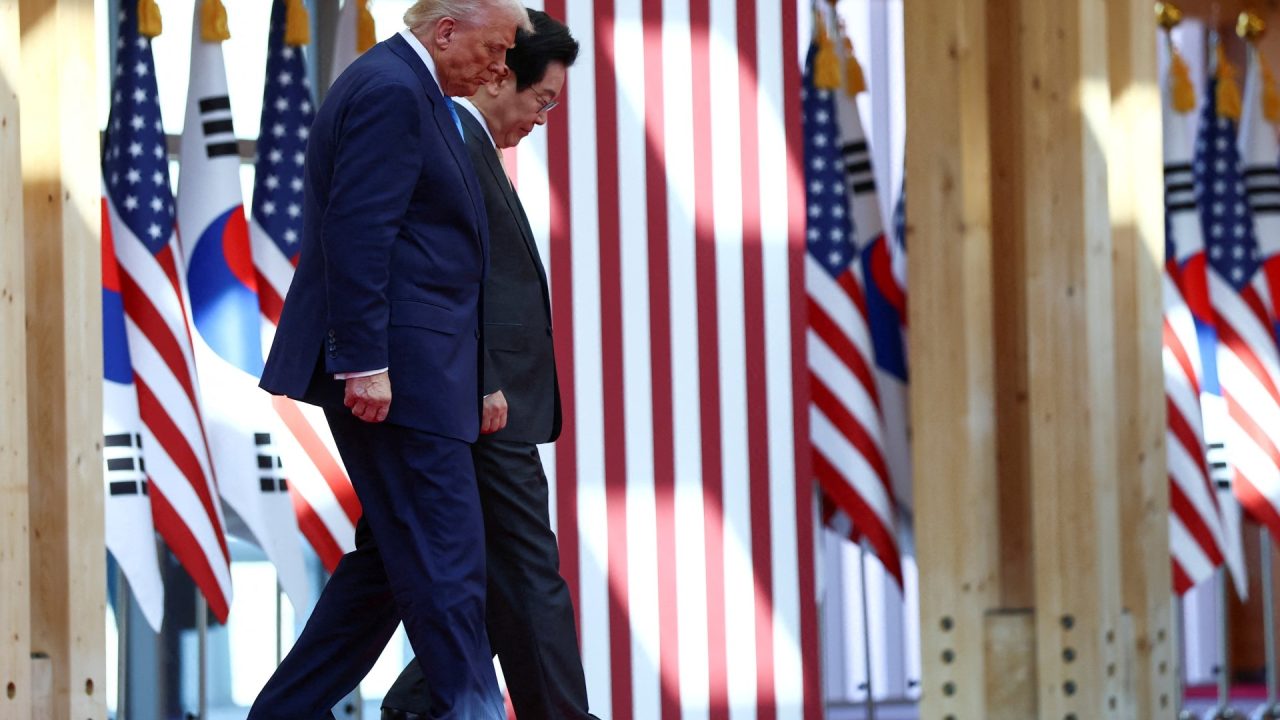
United States President Donald Trump will attend the Asia-Pacific Economic Cooperation (APEC) summit in Shenzhen, China, this week, where officials anticipate a three-way meeting with Chinese President Xi Jinping and Russian President Vladimir Putin. This gathering will mark the third encounter between the US and Chinese leaders this year, following high-profile meetings in Beijing and Washington that emphasized ceremonial diplomacy over substantive policy shifts.
The summit arrives at a critical juncture, just days after Democratic candidates secured majority control of both chambers of the US Congress. This political shift is expected to increase oversight of the president during the final two years of his term, while Beijing continues to strategize beyond the current administration. Ali Wyne of the Crisis Group noted that while Trump aims to improve his relationship with Xi, significant breakthroughs are unlikely given ongoing disputes over artificial intelligence regulation, trade imbalances, and the status of Taiwan.
AI governance remains a central topic of discussion. Although both nations previously agreed to establish communication mechanisms for AI incidents, the Trump administration has resisted strict regulatory integration, with the president stating the US will not slow its AI industry. US Treasury Secretary Scott Bessent emphasized the need to exchange best practices for model testing while acknowledging fundamental differences in approach between the two nations. The recent resignation of Nvidia CEO Jensen Huang, linked to allegations of ties with a suspected Chinese spy, adds another layer of complexity. Despite pressure from Congress and within the administration to address this scandal, US officials indicated that Trump is not expected to raise the specific issue with Xi during the summit, prioritizing the maintenance of recent diplomatic de-escalation efforts.
Taiwan policy also looms large over the talks. During their previous meeting in May, Trump discussed US arms sales to the self-governing island in detail with Xi, referring to it as a “negotiating chip” and delaying a $14 billion arms package. Analysts warn that this language may lead Beijing to expect concessions for future approvals, creating friction with the bipartisan US support for Taiwan. The White House has cited production constraints and the desire to maintain the trade truce for the delay, but pressure is expected to mount following the midterm election results.
Trade relations remain strained, with the US-China truce extended through January 2027. Despite agreements, US imports of Chinese rare earth minerals remain significantly below pre-restriction levels, and purchases of US agricultural products have lagged behind commitments. In addition to bilateral talks, the trilateral summit with Putin is viewed as a significant diplomatic victory for the Russian president, elevating his international status, while for Xi, it reinforces China’s role as a key convener in defining the dynamics among the world’s three most powerful nations.

I’m skeptical about any real breakthroughs. The US refusing to slow down AI development while ignoring trade imbalances is a contradiction.
Calling Taiwan a negotiating chip is shocking. The Democratic majority will likely crush that approach before the next election.