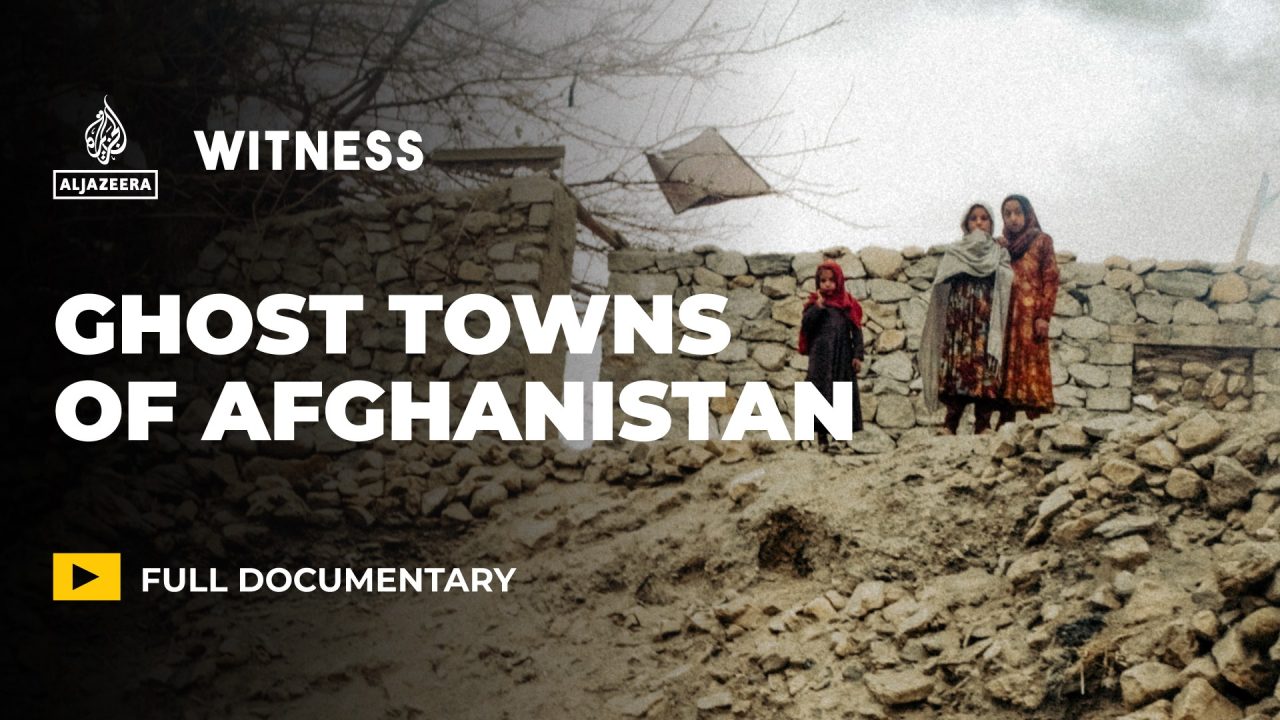
A new documentary titled “Ghost Towns of Afghanistan” sheds light on the severe environmental consequences of decades of conflict in the country. The film, directed by Matty Feurtado and Ibrahim Sulemen Khel, features Ibrahim, a father currently residing in Kabul, as he returns to his ancestral home in Nangarhar province, located along Afghanistan’s eastern border with Pakistan.
Upon his return, Ibrahim finds that his childhood village has been reduced to ruins. The documentary captures the impact of war, displacement, and ecological degradation on the local community. Families who continue to live in these areas report suffering from health issues that they attribute to environmental contamination resulting from the long-standing conflict.
As Ibrahim navigates the destruction and interacts with affected residents, the film also serves as a personal reflection. He contemplates the alternative life his family might have experienced had they remained in the village, questioning whether a return home is still possible amidst the ongoing environmental and social challenges.


This needs wider attention. Environmental displacement is just as devastating as physical combat for local communities.
The contrast between his childhood memories and the current ruins must be incredibly painful to watch.
Did they discuss any remediation efforts? Or is it just documenting the devastation with no hope for cleanup?
We talk so much about political resolution, but the environmental legacy remains even if the fighting stops completely.
Ghost towns are terrifying. The ecological damage probably makes those areas completely uninhabitable for years, if not decades.
Ibrahim’s personal journey feels deeply human. It’s hard to imagine going home to find only ruins waiting for you.
The health impacts from contaminated soil in Nangarhar are likely severe. Did the film mention specific testing results?
Finally, a film focusing on the long-term environmental cost of war instead of just the immediate violence.