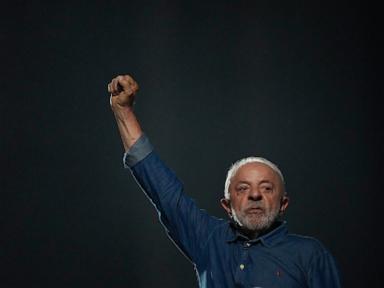
Brazilian President Luiz Inácio Lula da Silva is set to commence a fourth presidential term following a surprise re-election victory in late October. Despite his win, the leftist leader faces a complex array of challenges spanning fiscal stability, public safety, and diplomatic relations with the United States.
In the runoff election, Lula defeated challenger Flávio Bolsonaro by a margin of 4.4 million votes. However, the nation remains deeply divided, with many voters expressing dissatisfaction with Lula’s previous term, which began in 2023. Flávio Bolsonaro, who refused to acknowledge the results and alleged electoral fraud without evidence, has since moved to Miami. He has vowed to lead a fortified opposition from the United States.
Investor confidence has waned following the election results. Markets had anticipated a victory for Flávio Bolsonaro, who was expected to rein in government spending. Consequently, the Brazilian real dropped 12% against the dollar immediately after the vote, and the stock market fell nearly 14% without a subsequent rebound. Sergio Vale, chief economist at MB Associados, noted that Lula’s commitment to maintaining social spending while adhering to fiscal responsibility presents a contradiction that markets view with concern.
During Lula’s third term, Brazil’s public debt surged from 7.2 trillion reais in 2022 to 11.1 trillion reais this year. This increase has contributed to high inflation and has kept interest rates elevated at 13.75%. In response, the government has proposed measures to save up to 60 billion reais by curbing tax breaks and imposing spending caps, a bill currently under review in Congress.
Lula will also contend with a Congress that has shifted significantly to the right following October’s legislative elections. Flávio Bolsonaro’s Liberal Party secured the largest blocs in both houses, gaining 23 seats in the lower house and nearly doubling its Senate presence, largely at the expense of centrist parties. Allies of Bolsonaro in the legislature are focused on impeaching Supreme Court Justice Alexandre de Moraes, who presided over the case that resulted in Jair Bolsonaro’s 27-year prison sentence for attempting a coup. Rogério Marinho, Bolsonaro’s former campaign coordinator, is running for Senate president and has pledged to pursue this goal.
Public security remains a top concern for Brazilians. Although the homicide rate dropped to its lowest level since 2012, the country struggles with the expansion of digital-enabled criminal activities and entrenched paramilitary militias, particularly in Rio de Janeiro and the Amazon region. The Senate recently approved legislation designed to strengthen the government’s ability to combat criminal gangs.
Finally, Lula must navigate the ongoing rivalry between the United States and China. Relations between Washington and Brasília reached a low point during the previous term due to tariffs imposed by the Trump administration. However, recent gains by Democrats in the U.S. midterm elections have shifted the political landscape, with new pressure expected to reduce tariffs on Brazil. Ana Garcia, an international relations professor at the Rural Federal University of Rio de Janeiro, expects Flávio and Eduardo Bolsonaro to continue lobbying against Lula’s government, while the new Democratic leadership in Congress increases scrutiny of U.S. foreign policy.
Markets hate uncertainty. Of course the currency crashed. We need immediate fiscal clarity from Lula.
The right now controls Congress. This administration is going to have a really rough time passing laws.
Surprised by the margin. I thought the fraud claims would sway more people to the right.
The debt situation is actually terrifying. How does he keep spending money when the economy is already collapsing?