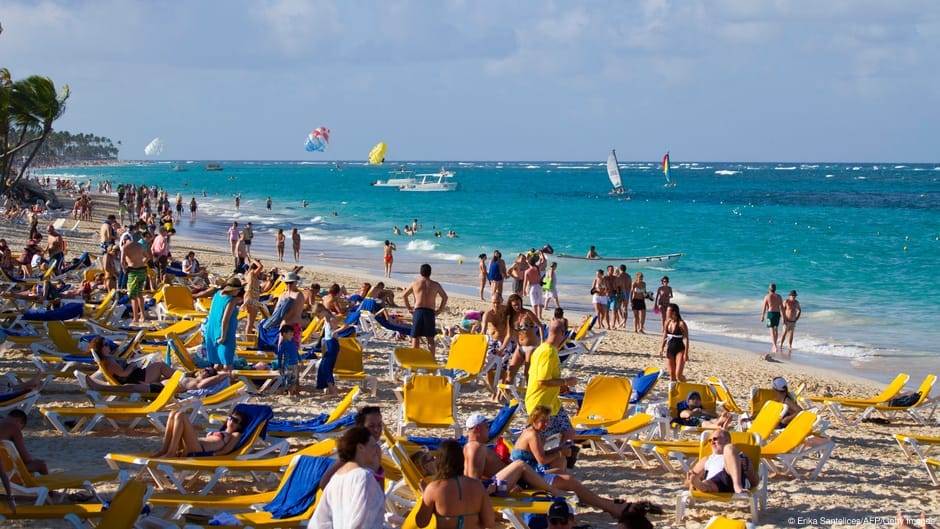
Latin America is experiencing a significant surge in international tourism, with UN Tourism data indicating a 7% increase in arrivals to South America and a 5% rise in Central America last year. However, this growth has intensified concerns about overtourism, creating environmental and social strain in popular destinations. Peru’s Machu Picchu, which receives up to 5,600 daily visitors, has prompted warnings from official watchdogs that excessive ticket sales could jeopardize its status, while Ecuador doubled the Galapagos Islands entrance fee for foreigners to $200 in 2024 to protect its ecosystems. Additionally, Mexico City has seen rising tensions and rent increases in neighborhoods like Roma and Condesa due to an influx of tourists and digital nomads.
Experts attending the ITB Americas trade fair in Guadalajara, Mexico, discussed strategies to make the industry more inclusive and sustainable. Richard Bazan, regional manager for the Americas at Planeterra, noted a shift away from large tour groups toward smaller, intimate experiences and ‘nature-positive’ programs that support local reforestation. He emphasized that community-based tourism is moving from a niche market to the mainstream, requiring resorts to offer authentic connections with their surroundings rather than isolating guests.
This trend aligns with traveler sentiment; a 2025 Booking.com survey of 32,000 people across 34 countries found that 93% of respondents wanted to make more sustainable travel choices, with 53% expressing awareness of tourism’s impact on local communities. Sarah Payne, director of the Reset Tourism Fund at the UnTours Foundation, highlighted a critical gap in the traditional business model: the majority of revenue does not reach local residents. Her organization addresses this by providing low-interest loans with flexible terms, operating on the principle that local communities are best positioned to determine the future of their land.
Sebastian Munoz, co-founder of the ecotourism platform Rutopia, advocates for tour designs that are developed in partnership with local stakeholders to foster a sense of ownership. He cited an example from a Mixtec Indigenous community in Mexico where tourist interest in learning the local language has encouraged Spanish-speaking children to re-engage with their heritage. While measuring the social impact of such initiatives is complex, experts agree that sustainable growth requires listening to community voices rather than imposing external solutions.



Love the nature-positive angle. Reforestation projects make the whole trip feel meaningful.
Smaller groups sound nice, but will it make experiences too exclusive for the average person?
Rent in Roma is out of control here. Tourists need to respect local housing markets.
I hope this isn’t just marketing speak. We need real data on how much money stays local.
Wait, $200 for Galapagos? That price hike might just keep regular travelers away completely.
The Mixtec language story really tugged at my heart. Culture preservation through travel is powerful.
Finally seeing tourism models that actually care about local people, not just profit margins.