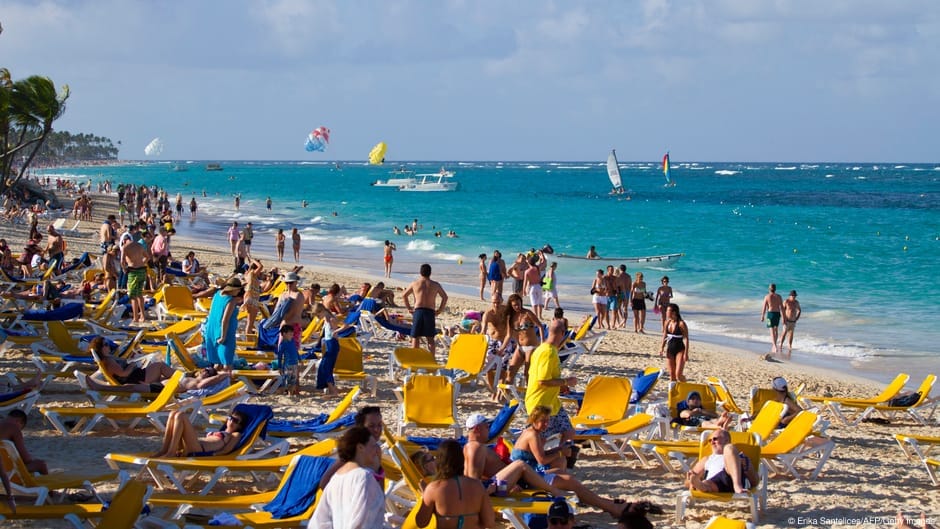
Latin America has emerged as one of the world’s most dynamic tourism regions, with international arrivals in South America growing by 7% and in Central America by 5% last year, according to the United Nations World Tourism Organization. However, this growth has exacerbated issues of overtourism, leading to environmental degradation and social tensions in popular destinations.
Notable examples of this strain include Machu Picchu in Peru, which welcomes up to 5,600 visitors daily. In 2025, Peru’s cultural watchdog warned that ticket sales had exceeded permitted limits, raising the risk of the site being added to UNESCO’s List of World Heritage in Danger. Similarly, Ecuador doubled the entrance fee for the Galapagos Islands to $200 in 2024 to protect its unique ecosystems, yet pressure persists for new hotel construction. In Mexico City, an influx of tourists and digital nomads into neighborhoods such as Roma and Condesa has triggered protests over rising rents.
In response to these challenges, the industry is shifting toward more inclusive models. At the ITB Americas trade fair in Guadalajara, Mexico, experts highlighted the rise of community-based tourism (CBT). Richard Bazan, regional manager for the Americas at the nonprofit Planeterra, noted that traditional large group sizes are shrinking in favor of smaller, intimate experiences. He emphasized that CBT is no longer a niche market but is becoming the mainstream expectation, driven by travelers seeking authentic connections and ‘nature-positive’ initiatives that fund local projects like reforestation.
Traveler sentiment is evolving as well. A 2025 Booking.com survey of 32,000 people across 34 countries revealed that 93% desire to make more sustainable travel choices. Notably, 53% of respondents identified as being aware of tourism’s impact on local communities, a metric that surpassed environmental concerns for the first time.
Experts argue that the key to sustainable tourism lies in empowering local residents. Sarah Payne, director of the Reset Tourism Fund at the UnTours Foundation, pointed out that traditional business models often exclude local communities from financial benefits. Her fund provides low-interest loans with flexible terms to help communities invest in tourism, operating on the principle that locals best understand their own land. Sebastian Munoz, co-founder of ecotourism platform Rutopia, stressed that tours must be designed in partnership with communities to foster a sense of ownership rather than imposition.
Bazan advocates for a market-driven approach to CBT, suggesting that products must be viable to attract visitors while respecting local priorities. ‘It’s not sustainable to create a product if no one comes to experience it,’ he said. Ultimately, the decision on how and whether to grow remains with the communities themselves, ensuring that outside players do not dictate the pace or direction of development.



We need better zoning in popular spots like Machu Picchu before heritage sites are permanently damaged.
Interesting that social awareness of local impact now outweighs environmental concerns. That shift in mindset is fascinating.
Living in CDMX, I can totally relate to the rent hikes caused by digital nomads flooding Roma.
Skeptical if tourists will actually pay the price for sustainable options, despite what the surveys suggest.
Finally seeing community-based tourism become mainstream. I always prefer small, authentic experiences over crowded resort packages anyway.
The Galapagos fee hike feels steep, but protecting that fragile ecosystem honestly comes first for long-term survival.