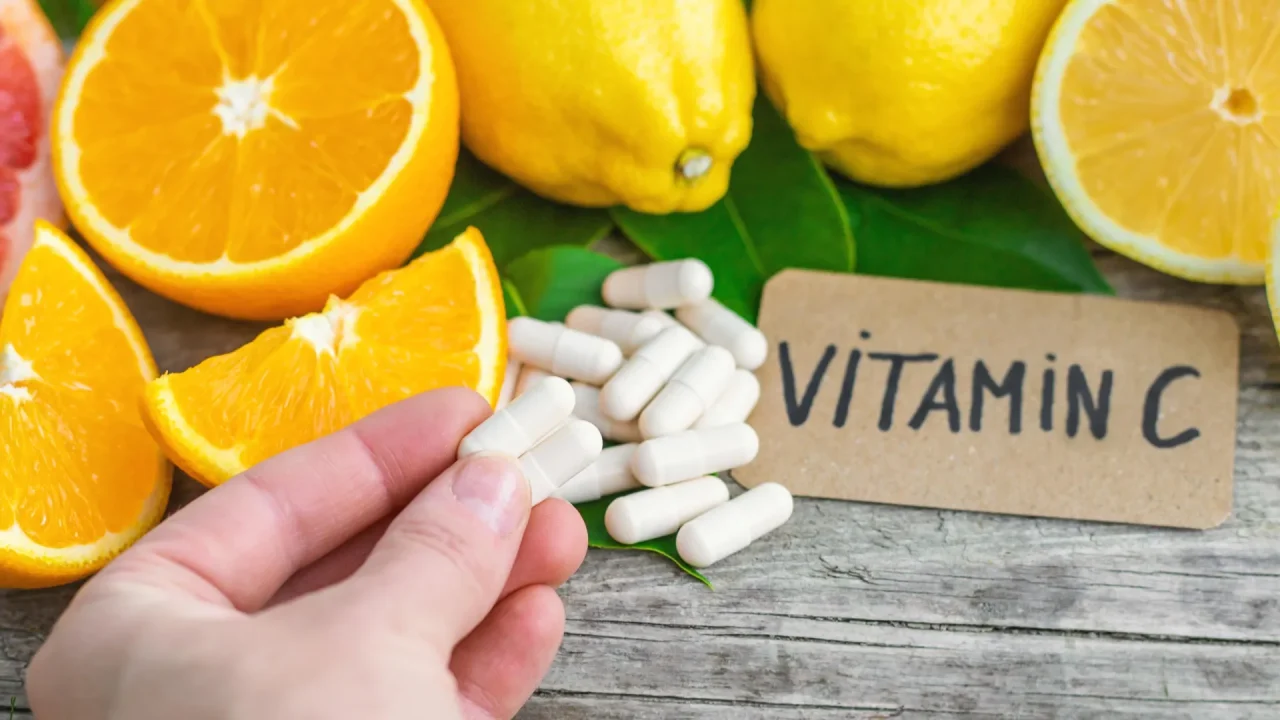
A new mathematical model from the University of Waterloo indicates that vitamin C could help prevent the formation of potentially carcinogenic chemicals in the stomach. The study suggests that consuming vitamin C after meals might interfere with the chemical reactions that produce nitrosation products, which have been linked to increased cancer risk.
The research focuses on nitrates and nitrites, compounds commonly found in cured meats like bacon and salami, as well as in produce grown in contaminated soil. While these substances play roles in brain and cardiovascular function, they can undergo harmful reactions in the digestive system. Dr. Gordon McNicol, a post-doctoral researcher and the study’s first author, noted that conflicting results in previous studies dating back to the 1990s might be explained by the variable presence of dietary vitamin C.
By simulating the movement of nitrates and nitrites through the salivary glands, stomach, small intestine, and blood plasma, the researchers observed that vitamin C inhibits the formation of harmful byproducts. For instance, leafy greens such as spinach contain both nitrates and vitamin C, which may offer a natural protective effect.
Dr. Anita Layton, a professor of applied mathematics, explained that the model provides a mechanistic roadmap for future clinical and laboratory studies. It highlights key factors such as meal timing, gastric conditions, and oral microbiome activity. While the findings come from simulations rather than human trials, they offer a new strategy for understanding how nutritional choices can reduce cancer-related chemical reactions during digestion. The study was published in the Journal of Theoretical Biology.


Skeptical that math simulations translate directly to real stomach chemistry, but the theoretical framework sounds very interesting so far.
My mom always told me to squeeze lemon on my meals. Guess she was right about the cancer protection thing.
The variable presence of vitamin C explains so many contradictory studies from the nineties. Great insight from the researchers.
I always thought nitrates were bad news. Good to know spinach actually helps mitigate the damage naturally.
Surprised this is just a model. When will we see actual human trials to confirm these protective effects?
Does this mean I should take a supplement right after eating? I am going to stop curing my own meats now.
Finally, some science backing up eating salad with my bacon! I always thought the vitamins cancelled out the bad stuff.