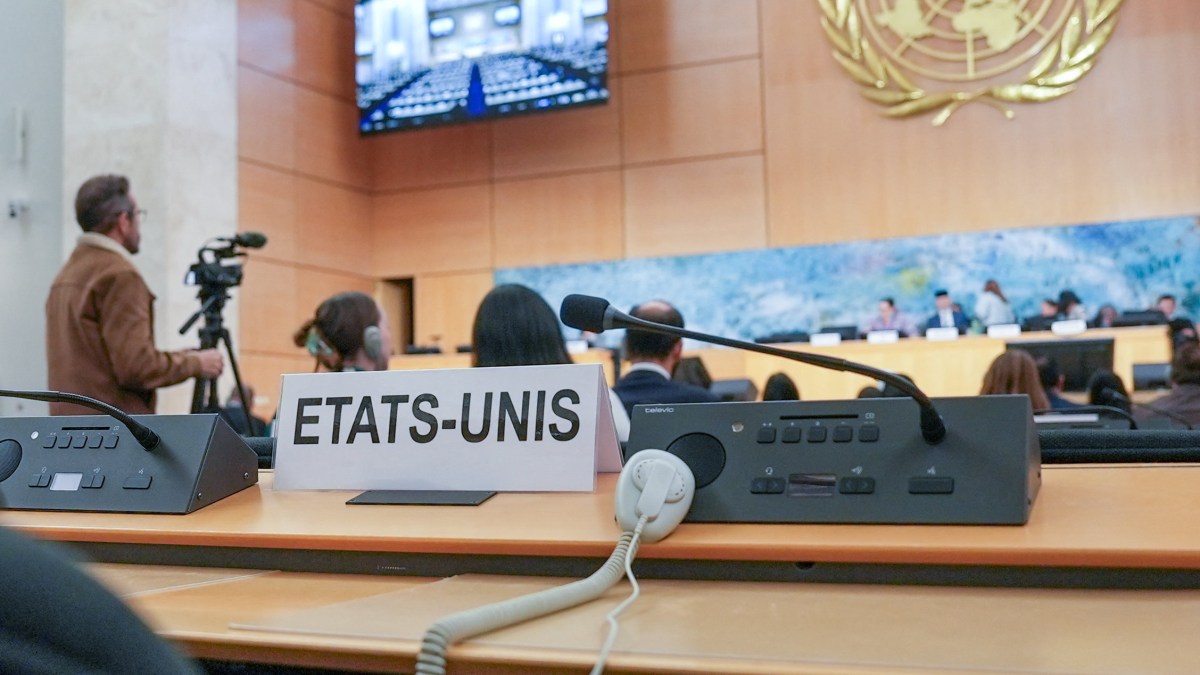
The United States has once again declined to participate in the United Nations’ periodic examination of its human rights record, marking the second consecutive year Washington has skipped the review. US representatives were absent from the session held in Geneva, where all 193 UN member states are required to undergo scrutiny every four to five years.
UN Human Rights Council President Sidharto Reza Suryodipuro announced the absence of the American delegation as the meeting was scheduled to begin. Consequently, the council agreed to delay the examination of the US record until January.
The withdrawal comes amid a broader trend of the Trump administration distancing Washington from international bodies. The US formally exited the council in February 2025, shortly after President Donald Trump assumed his second term, citing what the administration described as bias against Israel. Officials have also slashed funding for various UN agencies and bypassed the body during military operations in Iran.
A US State Department spokesperson defended the decision to boycott the review, stating that participation would signal an endorsement of the council’s activities. “We give no credibility to the agency,” the spokesperson said, describing the body as irredeemable and accusing it of undermining human rights values through anti-American rhetoric. The official declined to address specific allegations regarding the US domestic record.
While the 47-member council has not directly condemned Washington’s performance, human rights experts and non-governmental organizations have raised alarms. Submissions from US and international groups covered approximately 200 issues, ranging from migrant deportations and racial discrimination to access to abortion and the death penalty.
Jamil Dakwar of the American Civil Liberties Union expressed frustration with the ongoing situation. “Enough is enough. We’ve seen attacks on fundamental human rights and civil liberties unprecedented in generations,” Dakwar told reporters in Geneva. Although Washington maintains that its deportation actions comply with domestic immigration law, critics argue the broader impact on civil liberties is severe.
Eric Tistounet, a visiting professor at the Geneva Graduate Institute and former council secretary, warned that the absence of a major global power could undermine the integrity of the review system. “If the predominant global power… doesn’t show up and doesn’t even justify why, then you are in big trouble,” Tistounet noted. Fourteen countries are currently scheduled to participate in upcoming review sessions in Geneva this month.


This feels like a strategic retreat rather than a principled stand, don’t you think?
Honestly, the process felt biased anyway. Maybe stepping back was the smartest move they could make.
Skipping accountability twice is bold. How do you expect other nations to trust US leadership now?