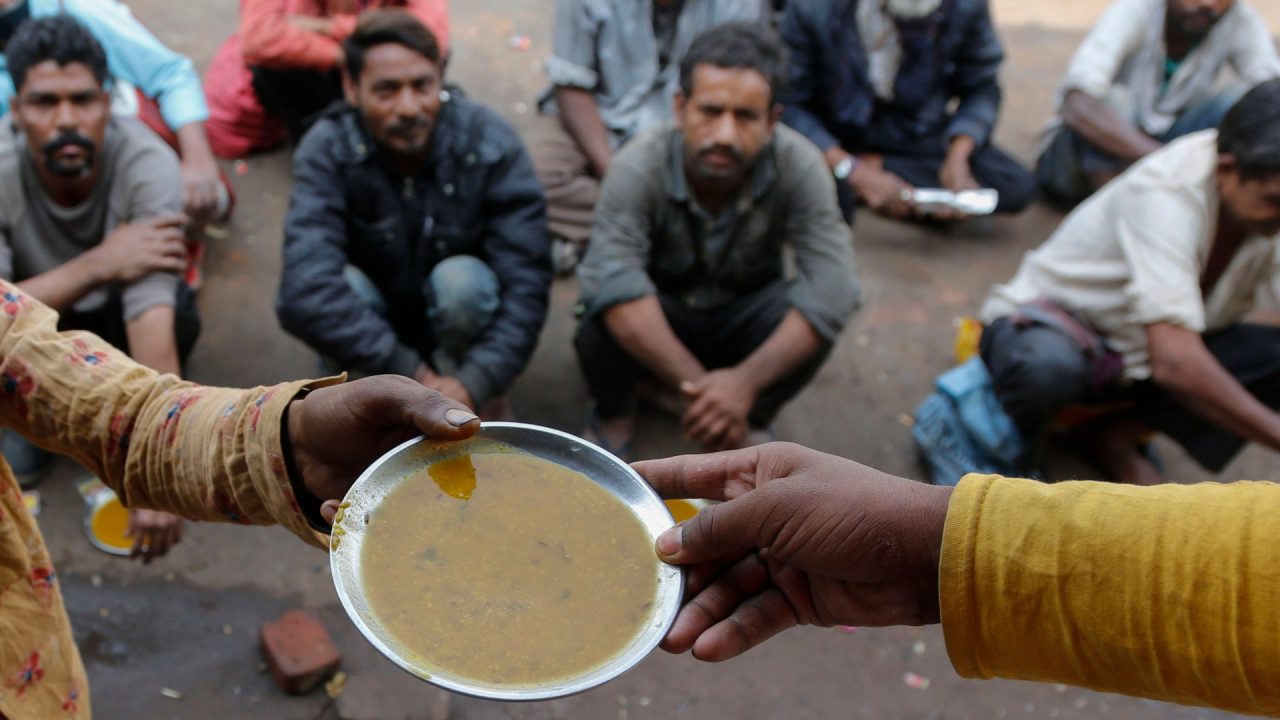
New Delhi — Hema Prajapat, 25, describes the physical sensation of hunger as worse than “thorns growing inside her stomach.” Despite being statistically above the poverty line, her family in Rajsamand, India, faces severe financial strain, with monthly expenses of 11,000 rupees ($117) for a household of three exceeding the World Bank’s threshold by roughly 49 percent.
A recent World Bank report indicates that India lifted nearly 500 million people out of poverty between 2011 and 2023, reducing the extreme poverty rate from 27.1 percent to 2.6 percent. This figure surpasses China’s historic achievement of lifting more than 800 million people out of extreme poverty over four decades. However, while many economists acknowledge the statistical magnitude of this progress, others argue that the planet’s most populous nation still has significant ground to cover.
Critics point to the discrepancy between these international estimates and the lived reality of millions of Indians who remain in precarious economic conditions. The World Bank now serves as the primary source for comparable poverty data, as the Indian government, led by Prime Minister Narendra Modi, has not published official consumption-based poverty estimates in over a decade.
“This poverty line, this bar, is very low. No person can live a dignified life [on this amount],” Hema told Al Jazeera, questioning the validity of the official metrics. Hema, who was married off at age 11, now works as a domestic cleaner and housekeeper to supplement her husband’s income, which has fluctuated since the closure of his street food stall during the pandemic.
India is currently the world’s fourth-largest economy by nominal GDP, but it remains one of the most unequal, with the top 1 percent of the population owning 40 percent of national wealth. While the government’s food security program provides subsidies to nearly 800 million citizens, rising consumer prices have eroded these gains. According to the government’s Consumer Price Index, overall prices increased by at least 51 percent between September 2016 and September 2025, outpacing wage growth.
Healthcare remains a significant financial burden. Although the state offers subsidised public hospitals, long wait times and resource constraints often drive families to private clinics. Hema spent approximately 6,000 rupees ($64)—more than her monthly earnings—to treat her son’s flu at a private facility. “I cannot take him to one every time,” she said.
Developmental economist Santosh Mehrotra notes that the current poverty threshold is “problematic” for failing to distinguish between rural and urban economic realities. He warns that a single shock, such as a medical emergency or natural disaster, can push families back into destitution. Neighbour Sushila Salvi experienced such a reversal when a maternal delivery at a private clinic cost nearly 65,000 rupees ($695), draining savings set aside for her daughter’s education and forcing her to cut costs on tuition.
In New Delhi, Seema Kumar, 37, lives on the outskirts of the capital with a family of three, spending 20,000 rupees ($214) monthly. Like Hema, she relies on loans to manage unexpected expenses. Recently, record air pollution in the city caused severe respiratory symptoms for her family, yet she was unable to afford protective masks for her children.
For Hema, the threat of regression is constant. With her husband unable to afford fuel for their motorcycle due to global oil price fluctuations, she is left to manage their finances and healthcare alone. “If I do not work for a single day – let alone a month – we can go back to the days of extreme poverty and deprivation,” she said.



Lifting people out of extreme poverty is great, but ignoring inequality is a massive mistake.
Surprised the government hasn’t updated their own data in a decade. Transparency is crucial here.
The World Bank definition feels outdated. One hospital visit can wipe out a family’s savings instantly.