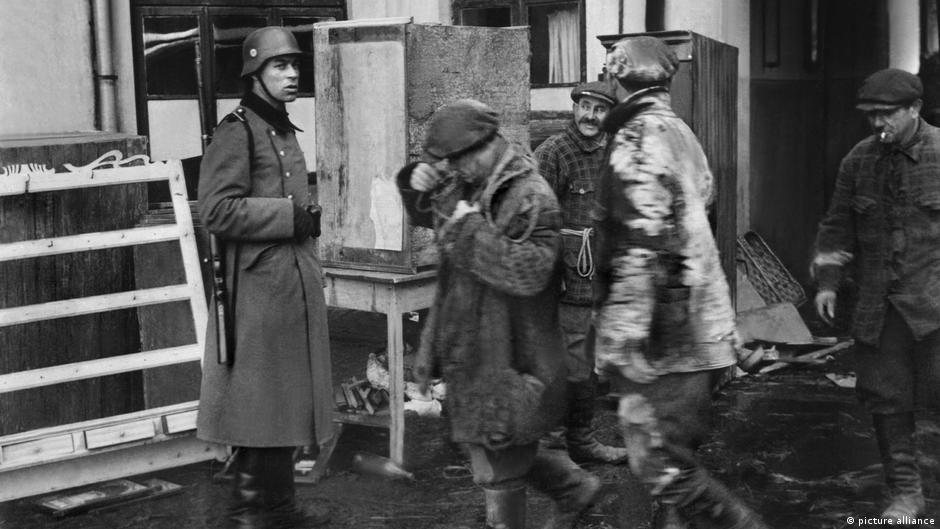
More than eight decades after the end of World War II, organizations representing victims of the Nazi regime in Poland have issued a formal appeal to German civil society, calling for immediate humanitarian support. Published on November 5 on the website of the Foundation for Polish-German Reconciliation, the open letter states that ‘we can no longer wait,’ highlighting the urgent needs of the remaining survivors.
The signatories of the appeal, distributed in German, Polish, and English, estimate that approximately 50,000 survivors of Nazi persecution still reside in Poland. These individuals include former concentration camp and prison inmates, people who were deported for forced labor, and others subjected to various forms of repression. Many of these survivors are now over the age of 90, facing serious health issues and rising living costs. The letter warns that further delays in providing assistance could result in help arriving too late for those in need.
While the German government has acknowledged its moral responsibility toward these survivors, no federal decision regarding specific reparations has been finalized. Consequently, the victims’ organizations have directed their appeal primarily toward businesses, foundations, and private citizens in Germany, urging them to donate to provide support. ‘Every donation matters,’ the letter states.
The unresolved question of war reparations has strained relations between Warsaw and Berlin for decades. Following the German reunification in 1989, the federal government provided 500 million deutschmarks to Holocaust victims in Poland, benefiting more than one million people. Additionally, the EVZ Foundation has provided payments to former forced laborers. However, a significant portion of Polish society views these measures as insufficient given the scale of the crimes committed during the occupation. An estimated six million Polish citizens were killed during the war, including approximately three million Polish Jews, while 2.5 million others were deported for forced labor.
The political landscape shifted when the right-wing Law and Justice (PiS) party came to power in 2015, making war reparations a central diplomatic issue. The PiS government calculated Poland’s war losses at 6.2 trillion zloty (approximately €1.3 trillion) and formally demanded this amount from Berlin in October 2022. In contrast, the current center-left government led by Prime Minister Donald Tusk has distanced itself from these specific financial demands since taking office following the December 2023 elections. However, Foreign Minister Radek Sikorski has indicated that Poland expects a ‘creative solution’ from its German partner.
In the summer of 2024, former German Chancellor Olaf Scholz proposed a €200 million package, which Tusk rejected as inadequate. Subsequent negotiations between Berlin and Warsaw have not yielded a definitive resolution. In December 2025, the German government pledged to analyze possibilities for additional support for Polish victims, but the current draft budget for 2027 has failed to generate significant hope for a new reparations package among the survivors.
It is good to see the new Polish government is trying to find creative solutions for this painful history.
Will individual German citizens actually donate enough? I doubt the political wrangling will ever be fully resolved.
I did not realize only fifty thousand survivors remain. This urgent need for support really hits hard.
Eighty years is far too long to keep waiting. It is time for actual action, not just promises.