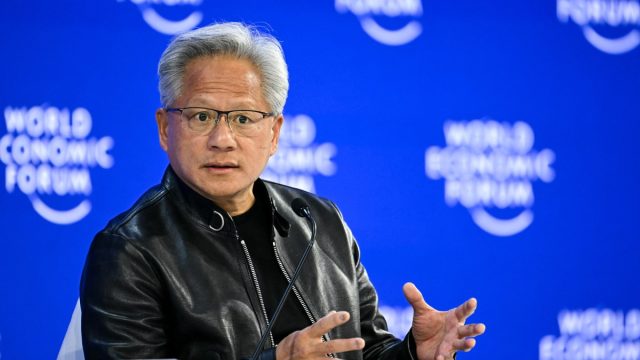
U.S. officials and economic analysts are increasingly concerned about the geopolitical and economic implications of artificial intelligence, particularly as competition between the United States and China intensifies. This anxiety has become more visible in the public sphere following reports of a potential espionage scandal involving Jensen Huang, the outgoing chief executive of Nvidia.
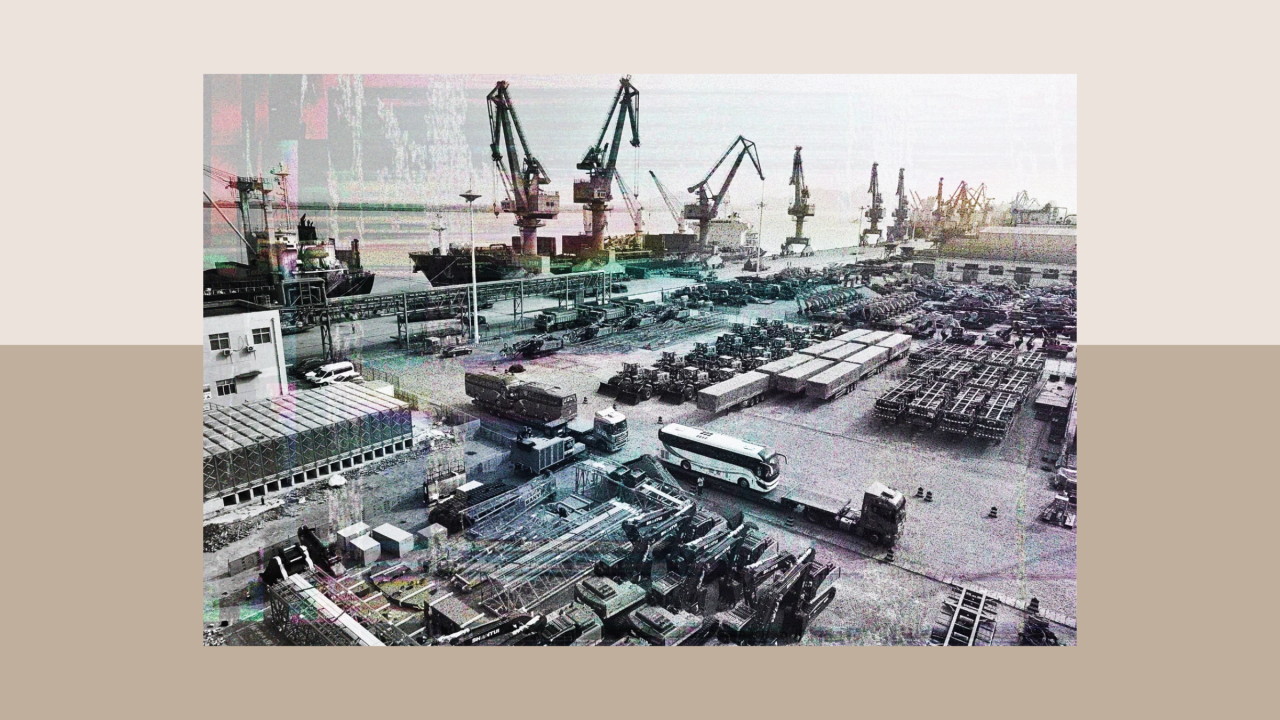
The concern is that two major economic shocks are converging: the long-standing “China Shock,” characterized by a massive surge in Chinese exports, and the emerging “AI Productivity Shock,” which promises to increase output without commensurate growth in jobs or household incomes. While America leads in computing power due to Nvidia’s advanced chips, China is rapidly closing the gap in AI model development. This dynamic creates a situation where China’s trade dominance and the economic effects of AI reinforce one another.
China produces more than 80% of the world’s solar panels and has battery manufacturing capacity that exceeds global demand. However, this production is not matched by an equivalent increase in Chinese imports or domestic consumption. Consequently, global prices for consumer goods may fall, but without a corresponding rise in global household incomes, there is a risk that demand will not materialize. This imbalance highlights a broader economic issue where supply is growing faster than the effective demand needed to absorb it.
Domestic economic indicators in China reflect this structural imbalance. Youth unemployment among urban residents aged 16 to 24 reached a record 18.9% in August 2025, and household consumption accounts for only 39% of GDP, compared to 68% in the United States. Chinese households bear a high share of healthcare costs, and the national minimum pension remains low. These factors suggest that while China remains a dominant force in advanced manufacturing, its domestic consumption base is relatively weak, forcing businesses to rely on export markets.
Economists argue that this model is unsustainable and poses risks to the global economy. If local manufacturers in other countries are displaced by cheap Chinese goods, workers in those regions lose income, reducing their ability to purchase Chinese exports in turn. As AI and robotics allow Chinese firms to produce even more without expanding employment, the combined effect of these trends could widen the gap between global supply and demand, creating new economic strains. Policymakers are urged to address these issues by focusing on income growth and shared prosperity to ensure that technological and productive advancements benefit broader society.


Sounds like another doomsday scenario. Economies have adjusted to supply shocks before, surely AI will create new jobs eventually.
It is not just about exports. We need higher household incomes to actually buy what we are producing efficiently.
My local manufacturing plant just closed. Cheap imports plus automation is killing jobs here, exactly like this article describes.
Eighteen percent youth unemployment in China is terrifying. No amount of cheap exports can fix that kind of domestic imbalance.
I never thought about how AI could worsen the China Shock. It makes perfect sense that supply growth is outpacing demand.
The mention of Jensen Huang’s potential espionage scandal is wild. Is that actually confirmed or just rumors spinning out of control?