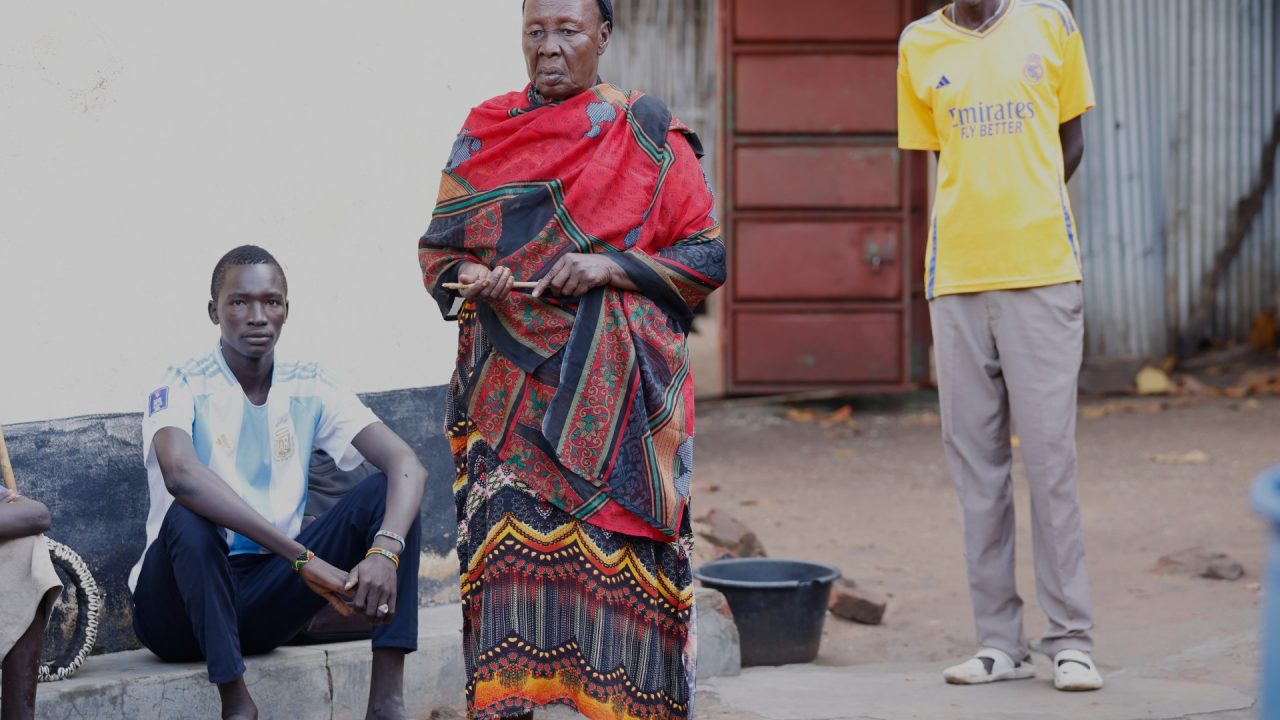
South Sudan has postponed its inaugural presidential and parliamentary elections from December 22 to February 11 of next year, marking the latest delay in the country’s long-awaited transition to permanent governance. The National Elections Commission announced the change on Saturday without providing specific reasons for the shift, a move that comes as ethnic and political frictions continue to intensify across the region.
The world’s youngest nation has pushed back its first vote at least three times since originally targeting 2022, continuing to struggle with violence despite a 2018 peace agreement that ended five years of civil war. Last September, President Salva Kiir dissolved the transitional unity government and installed a caretaker administration. This decision enabled the state to proceed toward elections without completing a permanent constitution or a national census, steps that were previously prerequisites for the transition.
Critics argue that these maneuvers have undermined key power-sharing mechanisms, effectively consolidating authority within President Kiir’s government and increasing the likelihood of renewed conflict. Yasmin Sooka, chair of the United Nations Commission on Human Rights in South Sudan, described the legislative changes as a “constitutional coup” in October, emphasizing that the country requires an inclusive political settlement and robust civilian protection regardless of the electoral timeline.
Tensions have escalated in recent months due to deadly confrontations between government forces and supporters of former Vice President Riek Machar, who has remained under house arrest since March on charges of crimes against humanity. Additionally, the country, which gained independence from Sudan in 2011, faces ongoing challenges from cattle rustling and ethnic disputes in one of the world’s poorest economies.
Under the revised schedule, voter registration will commence on November 14 and run through November 28. A 45-day campaign period is set for December 27 to February 9, followed by a mandatory silence period before the February 11 poll. Gabriel Bol Deng, chairman of the National Elections Commission, stated that 3,161 registration centers have been established nationwide, supported by over 22,000 recruited staff. To address the fact that approximately 90 percent of the 15 million population lacks state-recognized identification, the commission will issue provisional identification forms to unregistered individuals, particularly in rural areas, with the assistance of community leaders.

Is it really safe to hold elections with Machar still under house arrest? Feels like the tensions are barely managed.
Issuing provisional IDs to 90% of the population in such a short window seems incredibly risky for integrity.
Another delay is exactly what I feared. Without a census or permanent constitution, these votes are just another political theater.