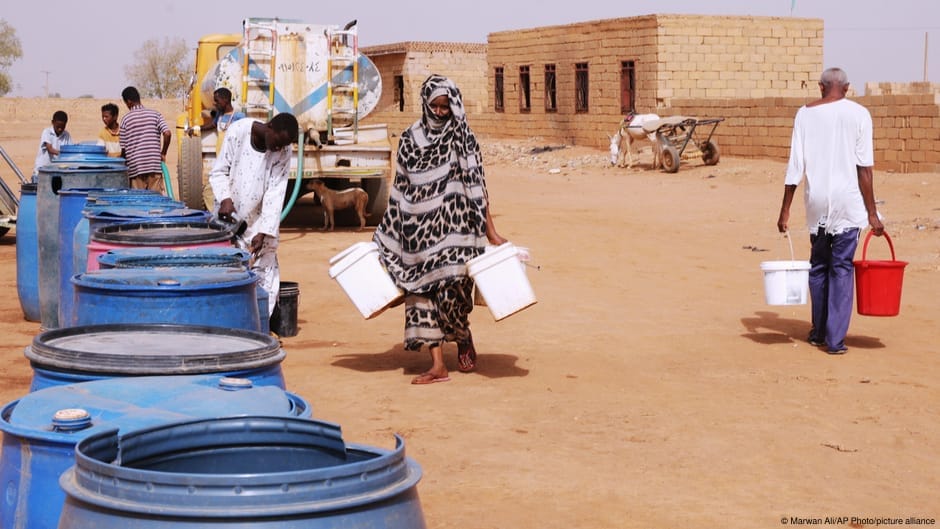
The humanitarian emergency in Sudan has intensified as international funding for displaced populations declines, leaving millions vulnerable to extreme weather, violence, and food insecurity. The International Organization for Migration (IOM) and the United Nations High Commissioner for Refugees (UNHCR) issued a joint warning that severe financial deficits have depleted essential supplies of emergency shelter and household goods.
According to the organizations, $2.9 billion is required to support the United Nations Humanitarian Needs and Response Plan, which aims to provide life-saving aid to 20.4 million people. However, donors have raised only 47% of this target. Consequently, aid agencies have been able to assist just 10% of the 15.4 million individuals in need of emergency shelter and basic items, despite a total of 33.7 million people relying on humanitarian support in the war-torn nation.
The ongoing conflict between the Sudanese Armed Forces and the paramilitary Rapid Support Forces, which began more than three and a half years ago, has created the world’s largest displacement crisis. Approximately 8.6 million people have fled to other parts of Sudan, while more than 4.6 million have crossed into neighboring countries. Another 5.2 million have returned to their home regions, where infrastructure remains heavily damaged. Estimates of casualties range between 40,000 and 250,000, though precise figures are unavailable due to continuing hostilities and restricted access for observers.
Experts point to a sharp global reduction in humanitarian funding as a key factor worsening the situation. Ivo Körner of Caritas International noted that contributions from major donors, including the United States, Germany, and the European Union, have dropped significantly compared to previous years. In Germany, the Caritas’ 2026 projects for Sudan are currently funded solely through private donations. Marina Peter of the Sudan and South Sudan Forum in Germany highlighted that food rations in refugee camps have been drastically cut, driving some civilians to rely on foraging for roots to survive.
On October 23, the United Kingdom and 31 other international partners, including Germany, issued a joint statement warning of looming famine in Sudan, with an estimated 19.5 million people facing acute food insecurity. Despite these calls for action, logistical barriers and drone strikes continue to hinder the delivery of aid, making it increasingly difficult for international bodies to assess the full scope of the crisis.

Did anyone notice the returnees mentioned? Five million people went home to destroyed infrastructure. What do they do now?
Funding down 47 percent is terrifying. Governments keep cutting aid while millions go hungry. This is morally bankrupt.