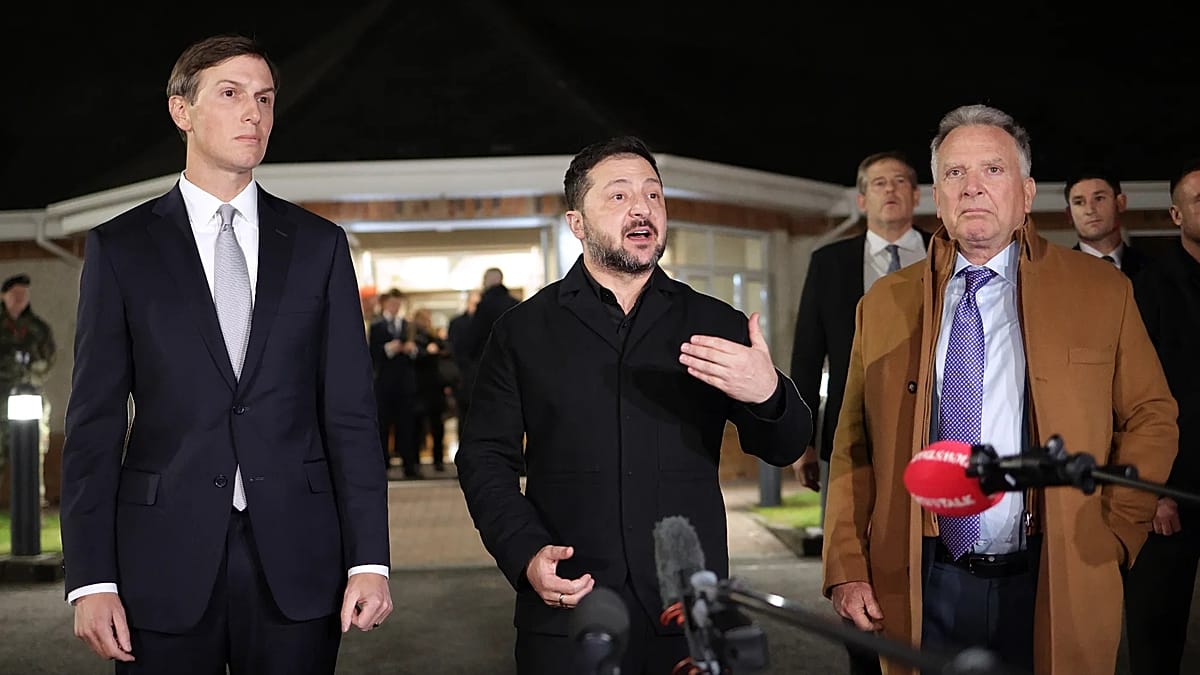
The United States is actively urging European nations to include their representatives in the prospective peace talks between Ukraine and Russia, according to reports released on November 13, 2026. This diplomatic push aims to strengthen the international framework for ending the conflict, though Russian authorities have declined to confirm whether such an inclusion will be permitted.
European leaders recently convened in Dublin to address this very issue, with Ireland’s Prime Minister Micheál Martin welcoming European Council President Antonio Costa to the European Political Community Summit. During these discussions, EU officials focused on determining which European entities would have the authority to speak on behalf of the continent in any direct negotiations with Moscow and Kyiv.
While the United States supports a broader multilateral approach to the peace process, Moscow’s lack of confirmation creates diplomatic uncertainty. The situation highlights the ongoing tensions in coordinating international diplomatic efforts, with European governments continuing to weigh their options on how to engage effectively with the Russian side.
Which European entity will actually have the power to speak for everyone in these sensitive negotiations?
Moscow says no, but we hope the US pressure forces their hand for a real solution.
Finally, Europe is stepping up. They are on the ground, so they need a seat at the table.