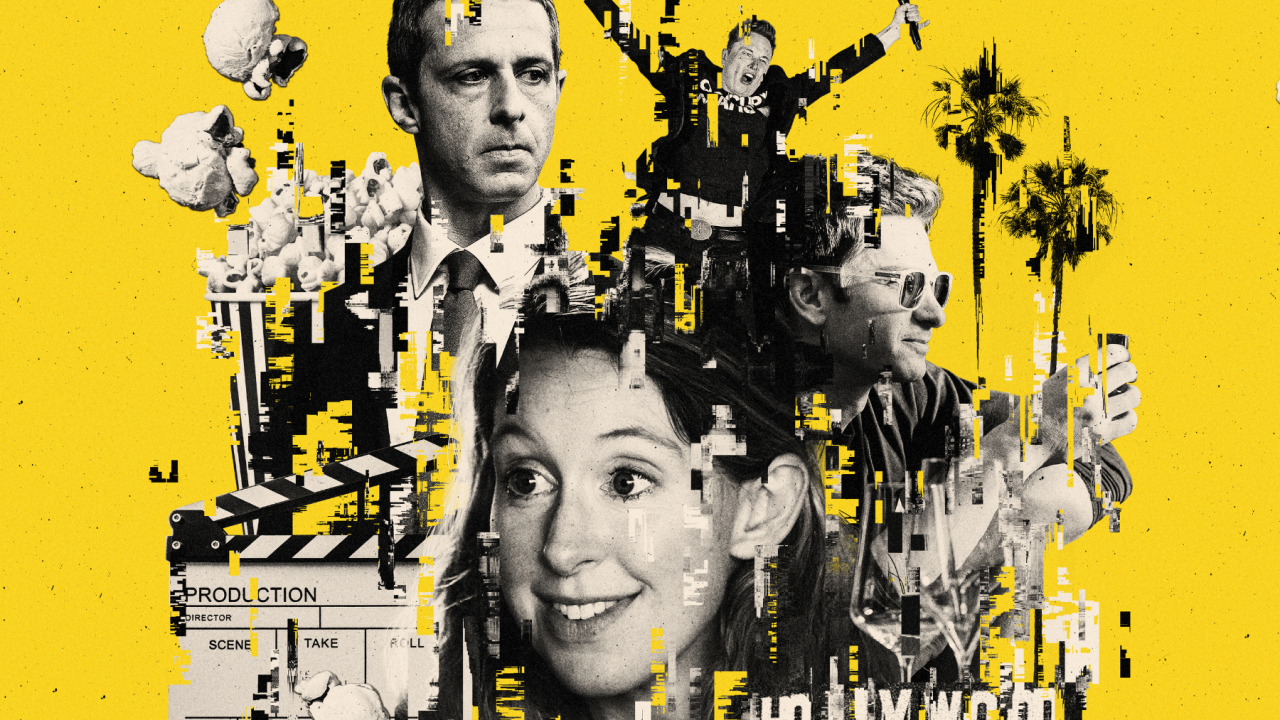
A new generation of films released this fall fundamentally rejects the techno-optimist narratives of the 2010s, portraying tech industry leaders not as benevolent innovators but as destructive forces destabilizing democracy and society. While earlier movies like The Imitation Game and The Social Network celebrated individual genius and visionary potential, recent releases including The Social Reckoning, Musk, You Can See Everything, and Artificial depict figures such as Mark Zuckerberg, Elon Musk, Elizabeth Holmes, and Sam Altman as villains whose callous mindset threatens humanity.
The storytelling approaches in these films vary widely, from Alex Gibney’s four-hour documentary on Musk to Aaron Sorkin’s drama focusing on Facebook whistleblower Frances Haugen. However, they converge on the conclusion that these executives operate with a cold, self-serving logic that is often incompatible with democratic values. Unlike previous character portraits that rooted antiheroic behavior in past emotional trauma, these narratives argue that the relentless pursuit of scale and monopoly, pioneered by figures like Peter Thiel, has institutionalized deception and collateral damage.
The industry’s shift toward artificial intelligence amplifies these tensions. Films like NAZA and Artificial highlight apocalyptic anxieties regarding AI’s potential to facilitate mass surveillance and existential risk. As these movies push for public rejection of tech tools, they face significant pushback from the billionaires who own the major studios and heavily invest in AI development. Elon Musk has threatened legal action against the director of Musk, and Amazon recently pulled Artificial from its slate due to conflicts of interest with its investment in OpenAI.
Box office results reflect a mixed reception, with The Social Reckoning grossing $17 million and the documentary Musk earning just $730,000 despite positive reviews. The tech executives are responding by controlling media access and leveraging AI tools that threaten to automate parts of the filmmaking process. Consequently, Hollywood now finds itself in a precarious position, fighting for its cultural relevance and creative autonomy from within an industry it has historically helped define.

I am skeptical if these films will succeed when the tech bosses control so much of the distribution.
It is wild that the people making the movies are being sued by the villains they are depicting.