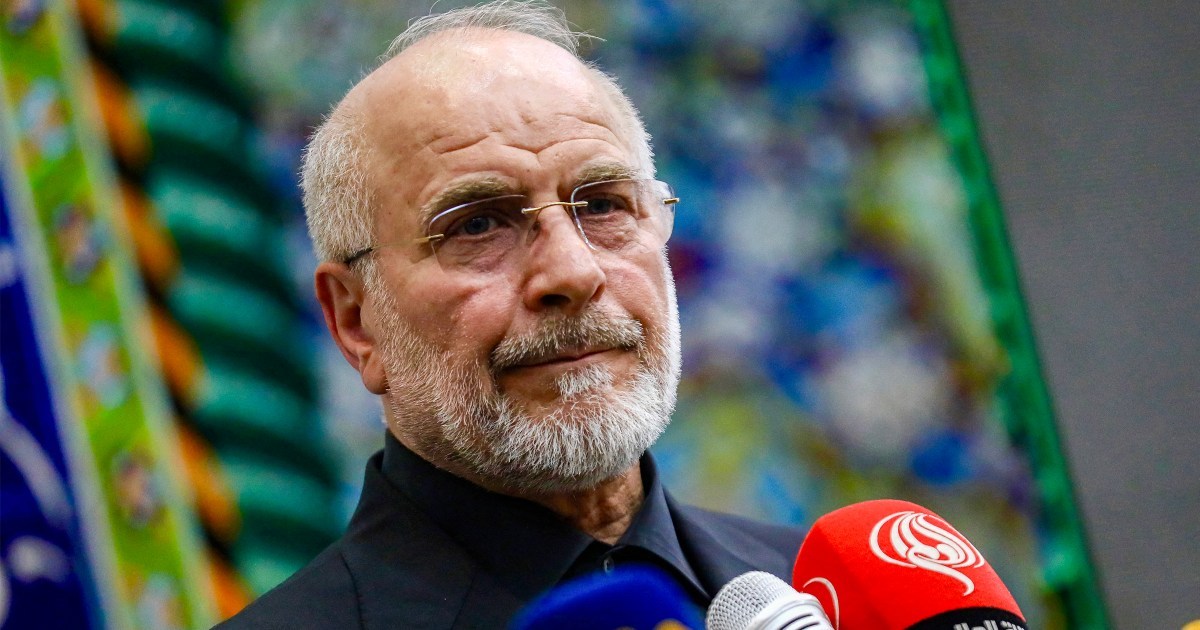
Iranian parliament speaker and chief negotiator Mohammad Bagher Ghalibaf told Al Jazeera that Tehran is determined to move beyond the current state of “no war and no peace” with the United States. Ghalibaf emphasized that Iran remains open to a deal involving a ceasefire and the reopening of the Strait of Hormuz, noting that the decision now rests with Washington. The US president, Donald Trump, has opted to intensify economic pressure by tightening sanctions, maintaining a blockade on Iranian ports, and announcing operations aimed at cutting off overland routes for advanced weapon and technology transfers.
Analysts describe the current situation as a fragile stalemate. Ali Vaez, deputy programme director for the Middle East and North Africa at the International Crisis Group, warned that the equilibrium is inherently unstable because what Washington views as a sustainable pause is seen by Tehran as “slow-motion strangulation.” Vaez noted that both sides are betting on the other’s pain threshold being lower, which he called a dangerous wager.
Tehran has outlined seven conditions for a ceasefire and the reopening of the strait, including the lifting of the US naval blockade, sanctions relief, the release of frozen Iranian funds, and a formal declaration ending the war. Ghalibaf stated that these terms were part of a memorandum of understanding reached in Islamabad in June and must be implemented before Iran re-enters negotiations. However, the pressure from the blockade is affecting Iran’s economy, complicating the leadership’s ability to agree to terms that might be perceived as surrender.
Despite the standoff, there are signs of diplomatic movement. Qatar stated that it is “working tirelessly” to resolve the crisis and that both sides have made positive statements about diplomacy. Following a meeting with Qatari Prime Minister Sheikh Mohammed bin Abdulrahman bin Jassim Al Thani at the White House, Trump mentioned “momentum towards the end of this conflict,” although US Secretary of State Marco Rubio described Iran’s demands as “unacceptable.”
The Strait of Hormuz remains a critical point of leverage for Iran. Shipping has been disrupted recently, with the trade intelligence firm Kpler recording no commodity vessels crossing on Sunday, November 8, compared to 31 crossings the previous weekend. The Islamic Revolutionary Guard Corps (IRGC) reported a “massive explosion” on Wednesday night that halted two supertankers traveling an “unauthorised” route, with the vessels reportedly carrying more than four million barrels of oil.
Washington’s strategic options are narrowing. Advisers including Vice President JD Vance and Treasury Secretary Scott Bessent hold differing views on whether to pursue a negotiated deal or maintain economic pressure. The recent US midterm elections, which resulted in Democratic control of Congress, could impact the administration’s ability to sustain military operations through the power of the purse starting in January. Albert Vidal of the International Institute for Strategic Studies noted that shortages of ballistic missile interceptors could limit Washington’s options for renewed fighting, while warning that Iran’s potential retaliation against civilian infrastructure could draw Gulf countries further into the conflict.


Economic strangulation rarely works long-term. Both sides are gambling with global energy supplies. This is reckless.
Qatar is the only reason this hasn’t exploded into full war yet. Diplomacy is fragile but necessary.
Seven conditions sounds like a lot. Does Washington really have to accept all of them just to get a ceasefire?
Wait, no ships crossed on Sunday? That explains why my oil prices just spiked. Fascinating data point.