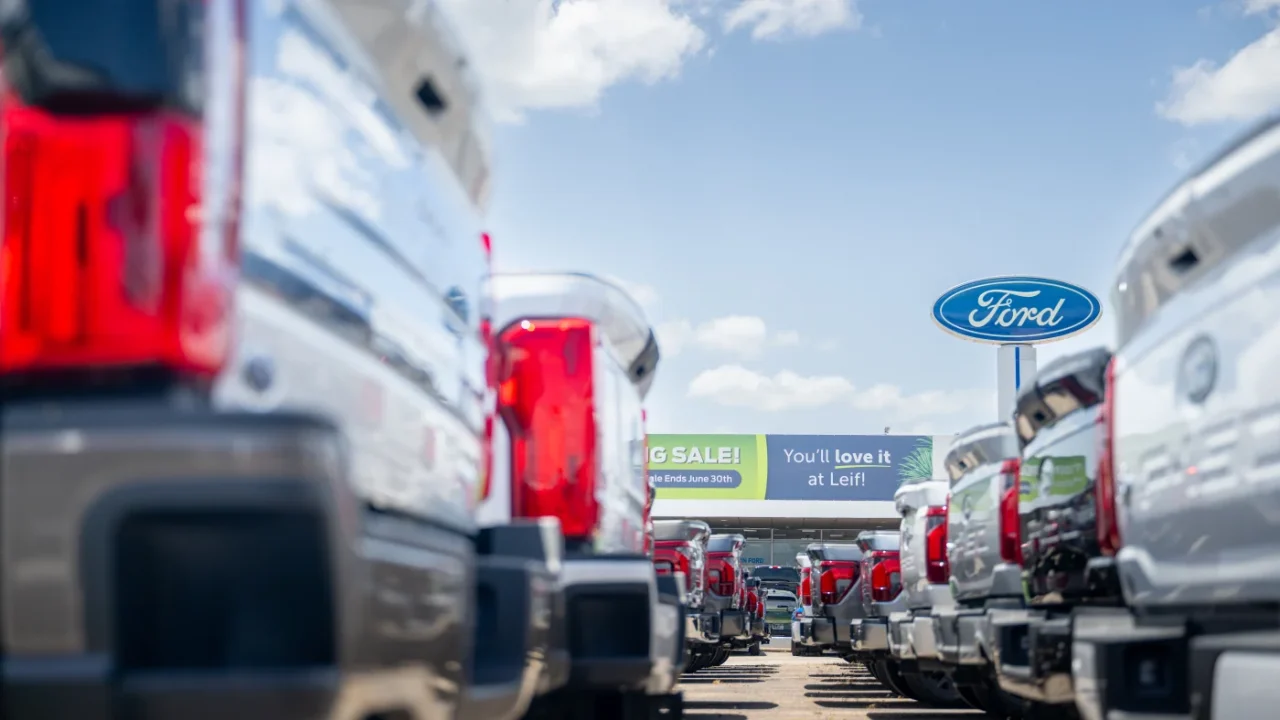
The average transaction price for a new vehicle in the United States has reached an all-time high of $51,109, according to a report released by Kelley Blue Book, a division of analytics firm Cox Automotive. This figure represents an increase of approximately $500 over the previous record set in December 2025.
Vehicle prices have remained elevated for several years, a trend largely attributed to post-pandemic supply chain disruptions. Recently, costs have climbed further due to the impact of tariffs and a consumer shift toward purchasing larger, more feature-rich vehicles. Despite hitting a new peak, the pace of price increases has slowed; the current annual increase of 2.1% is below the rate of inflation and significantly lower than the 3.4% average annual increase observed between 2012 and 2021.
Erin Keating, an executive analyst at Cox Automotive who co-authored the report, noted that the 2.1% year-over-year increase is actually below inflation. The Kelley Blue Book figure reflects the final amount paid by buyers, accounting for sticker prices, optional add-ons, and dealer incentives, but it does not include interest on auto loans. With the Federal Reserve keeping interest rates high to combat persistent inflation, the cost of borrowing has risen. Auto loan rates now stand at approximately 11% for used vehicles and over 7% for new ones, according to Edmunds, a car analytics company.
Keating highlighted that these rising costs can lead to sticker shock for consumers, many of whom infrequently purchase vehicles and may be unaccustomed to the total financial outlay. “We are seeing a true shift in the percentage of your monthly payment that’s going towards interest versus towards principal,” she explained. The average price cited includes a wide range of vehicle types, from electric vehicles to pickup trucks, sold by various manufacturers.



At this point, buying new is basically a luxury item that the average American just cannot afford without significant financing.
Sticker shock is real. I went to test drive a compact car and the salesperson quoted me over forty grand.
My dealer offered me a $500 discount on a Honda. I laughed out loud. They think this is a normal market.
Does this average include base models or is it mostly the fancy electric SUVs skewing the entire data set?
Honestly, I am just happy I bought a used sedan five years ago before the tariffs really started biting everyone.
The interest rate part is the real killer here. The car costs less, but the monthly payment is double what it used to be.
Whoever told you that car prices were down is lying. I looked at three new crossovers this morning and flinched.
People just keep buying massive trucks instead of sensible cars. Supply and demand is really driving these insane prices up.
I just bought a compact car last month and paid nearly $40,000. This inflation is getting completely out of hand.