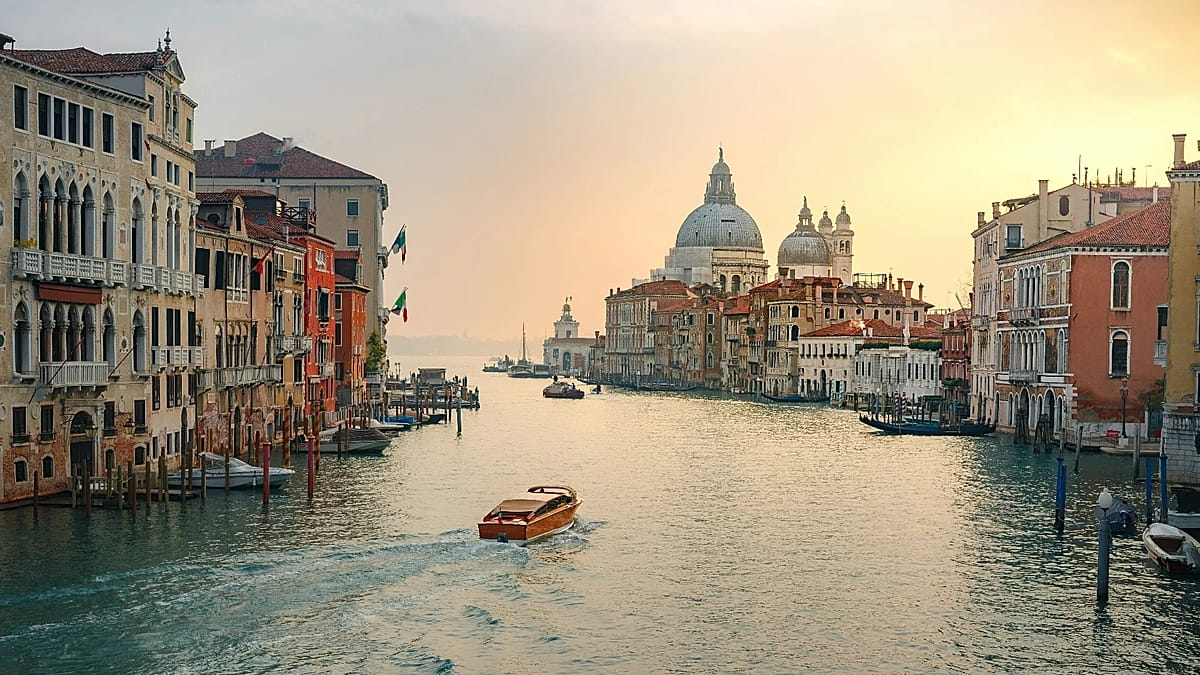
European destinations have dominated a new ranking of the world’s quietest cities for travel in 2027, with all ten top spots located on the continent. According to research by Avanti Travel Insurance, Venice in Italy secured the top position, followed by Lisbon in Portugal and Amsterdam in the Netherlands.
The methodology involved analyzing Euromonitor International’s Top 100 City Destinations Index from 2025, specifically excluding destinations that were not accessible to all visitors or that represented broader regions rather than single cities. Researchers measured each city within a two-kilometer radius of its official center or town hall. Cities were ranked based on the total length of motorways and main roads, as well as the availability of pedestrianized streets. Fewer kilometers of major roads and more car-free zones contributed to a higher ranking.
Beyond infrastructure, the top ten cities were also evaluated for “peacekeeping rules,” which include legally enforced quiet hours, nighttime curfews, restrictions on flights at the busiest airport, and limits on Sunday trading.
While Europe swept the top ten list, travel expert Sarah Rodrigues highlighted quiet cities from other continents for travelers wishing to explore further afield. Her recommendations included Hoi An in Vietnam, Lamu Island in Kenya, New Mexico in the United States, Paraty in Brazil, and Nelson in New Zealand.
The final top ten ranking consists of: 1. Venice, Italy; 2. Lisbon, Portugal; 3. Amsterdam, Netherlands; 4. Barcelona, Spain; 5. Brussels, Belgium; 6. Athens, Greece; 7. Zürich, Switzerland; 8. Milan, Italy; 9. Florence, Italy; and 10. Stockholm, Sweden.
Venice leads the list with fewer than two kilometers of busy roads within two kilometers of its center and over 170 kilometers of car-free streets. The city’s canals and historic squares allow visitors to explore architecture without the noise of traffic. Rodrigues noted that the city is ideal for those seeking a break from traffic noise, suggesting that early morning exploration reveals quieter aspects of the city rarely seen by tourists.
Lisbon was recognized for its low density of busy roads and a cap on night flights at its airport. The city offers tiled architecture, historic trams, and views over the Tagus River. Rodrigues recommended visiting the Gulbenkian gardens to recharge while engaging with local art and culture.
Amsterdam rounds out the top three with more than 30 kilometers of car-free streets and canal-side routes that allow for a gentler pace of travel. Aside from its famous waterways and museums, the city’s varied neighborhoods provide access to independent shops and cafés in a relaxed setting. Rodrigues advised travelers to research different neighborhoods to find a quieter base away from the central hub.

Quiet hours laws are becoming more common. It’s nice to see cities actually enforcing them instead of just suggesting them.
I’d take Stockholm any day. The light is gorgeous and the streets are genuinely walkable without the chaos.
Zürch ranking seventh makes sense. Switzerland is famously efficient and organized, even when it comes to noise control.
Hoi An was a great mention. Southeast Asia has plenty of quiet spots that don’t get enough attention in these rankings.
Is it actually that quiet? I visited Venice last year and it felt more like a crowded marketplace than a sanctuary.
Amsterdam’s canal sides are lovely, but the neighborhood recommendations are spot on for avoiding the main crowds.
What about New York? I don’t understand why huge cities with limited car access aren’t on this list.
Europe sweeping the whole list is no surprise. Most major cities there just have better pedestrian infrastructure.
Lisbon’s flight curfews are a game changer. Night sleep is actually possible now, which is rare lately.
Venice is quiet? Maybe if you avoid the thousands of tourists flooding the main bridges every day.