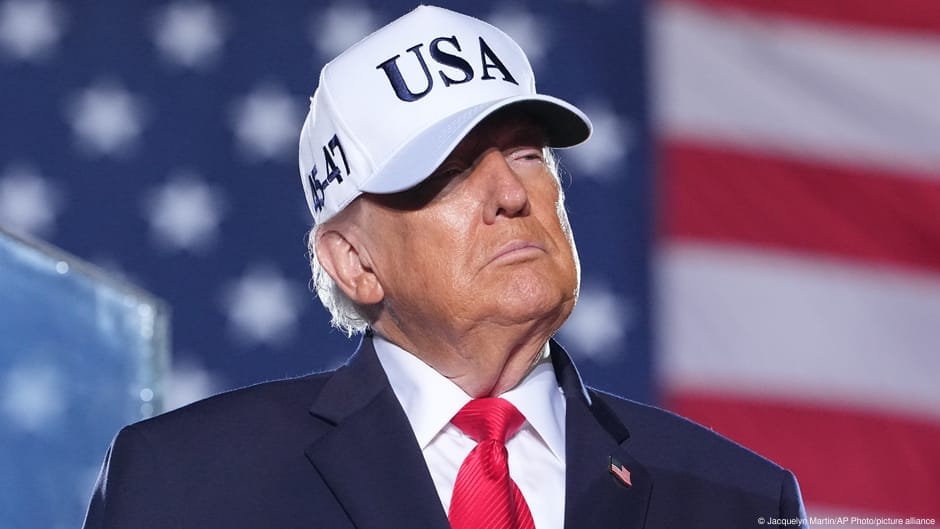
The war between the United States, Israel, and Iran has entered a period of relative calm, leading President Donald Trump to declare the conflict ‘effectively over’ in military terms. Marco Rubio, Secretary of State, supported this view, citing the success of economic pressure and negotiations. However, Mohsen Rezaei, secretary of Iran’s Supreme National Security Council, rejected the claim that talks are underway, describing US statements as attempts to alleviate economic pressures and lower oil prices.
Experts characterize the current situation as a ‘virtual ceasefire’ with significant de-escalation, though fundamental disputes remain unresolved. Ian Kelly, a former US ambassador and professor at Northwestern University, noted that the primary sticking point is the Strait of Hormuz. Iran demands the withdrawal of US strike forces from the Gulf, while the US insists on opening the strait to commercial shipping, which has been targeted by Iranian attacks recently.
The upcoming shift in US politics is influencing the conflict’s trajectory. With Democrats set to control both chambers of Congress following midterm election losses for Republicans, Kelly suggests Iran is adopting a ‘wait-and-see’ approach, anticipating that new leadership may cut funding for the war. This political landscape has complicated the Republican administration’s strategy, with the unresolved conflict seen as a liability ahead of the 2028 elections.
While the White House claims satisfaction with containing Iran through blockades, Kelly warns that without concrete progress on controlling the Strait of Hormuz and securing Iran’s enriched uranium stockpile, the administration’s credibility will suffer. He suggests that military action may be required again if diplomatic progress stalls. Meanwhile, Ali Mohammadi, a French-based expert on Iranian affairs, emphasized that Iran’s leverage in the strait remains primarily economic, as the prolonged conflict strains its own economy. As long as the ‘phony war’ persists, significant economic disruptions, particularly in oil markets, are expected to continue.
This is such a complex mess. I wonder if anyone can actually find a stable diplomatic solution.
I am skeptical that any new leadership will actually change anything this quickly. Politics moves slower.