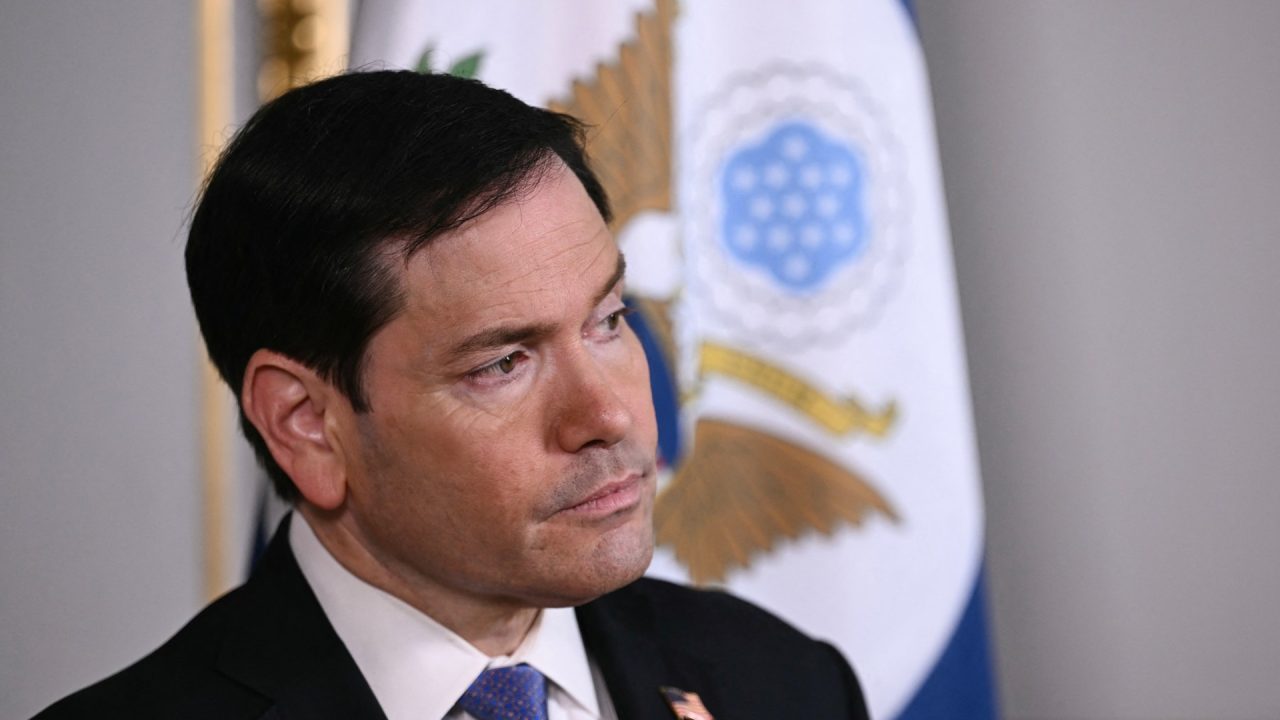
United States Secretary of State Marco Rubio stated on Tuesday that Washington’s economic campaign against Iran has become so effective that a resumption of large-scale military operations is no longer necessary. Speaking after a meeting with G7 foreign ministers in Paris, Rubio asserted that the economic pressure is achieving objectives that would otherwise require military strikes, describing the situation not as a stalemate but as a successful application of non-military force.
Rubio’s comments reflect a consistent messaging strategy from the Trump administration regarding the ongoing conflict, although internal disagreements persist. The Secretary of State’s stance aligns with President Donald Trump’s remarks made the previous day, in which Trump indicated that further strikes were “quite unlikely” and noted that Gulf allies prefer the current blockade of Iranian ports to be maintained. However, Vice President JD Vance, who has been more critical of the war, reportedly favors reaching a deal with Tehran, a position that diverges from the President’s current skepticism about the possibility of a diplomatic resolution.
While the administration has settled on a middle-ground strategy of intensifying sanctions and blockades while avoiding full-scale military escalation, this approach is supported by key figures including Treasury Secretary Scott Bessent and CIA Director John Ratcliffe. According to Axios, several regional allies, including Pakistan, Iraq, and Türkiye, are concerned that a prolonged US pressure campaign could negatively impact their own economic interests.
The recent midterm election defeat for the Republican Party, which was partly attributed to public opposition to the war and rising fuel prices, has significantly increased the political cost of further escalation. Analysts, including Negar Mortazavi of the Center for International Policy, suggest that the election results have given Democrats a stronger mandate to challenge the war, making a diplomatic breakthrough more imperative to avoid a renewed conflict. A Reuters/Ipsos poll indicates that 71 percent of Americans support congressional legislation to halt the Iran war.
Despite the US shift toward economic pressure, Iranian officials have intensified their rhetoric. Foreign Minister Abbas Araghchi stated that the war can only end through “respect” and the fulfillment of Iranian demands, which include the lifting of sanctions and a reduction in US military presence in the region. Security chief Mohsen Rezaei accused the US of manufacturing false news about imaginary talks and insisted that no negotiations are currently taking place, while ruling out the export of enriched nuclear material as a concession.
Mediation efforts continue, with the Qatari Ministry of Foreign Affairs announcing positive reactions from both sides to its ongoing work. While Trump has expressed hope that Iran is engaging in polite dialogue, Rubio described Iran’s current demands as “totally unrealistic” while maintaining that the US remains open to diplomacy should those conditions change.

The midterm election results definitely scared them off further escalation. Voters clearly don’t want more war.
Surprised Vance wants a deal when the President is skeptical. This internal divide makes the strategy confusing.
Rubio calling Iran’s demands unrealistic while keeping diplomacy open is textbook diplomatic stalling, I think.